Packaging: a form of industrial intelligence
Erik Ciravegna: “Packaging is never merely an object; it is a node within the supply chain that communicates a system of values”
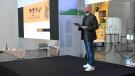
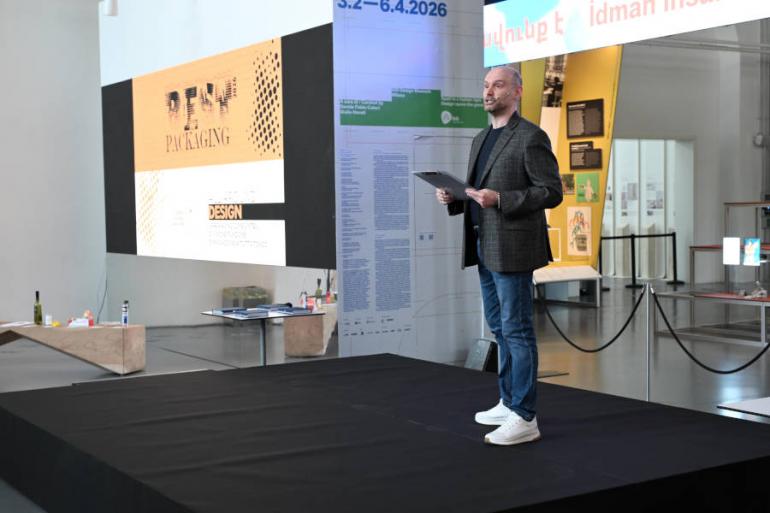
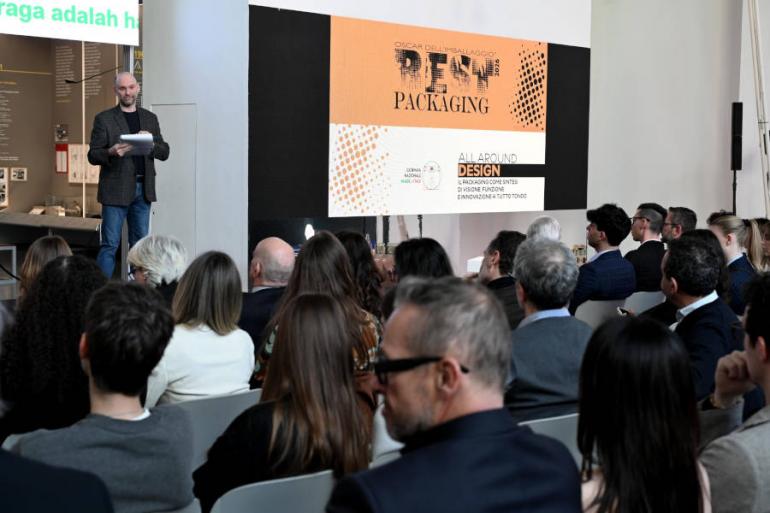
ADI Museum, Milan, 25 March 2026. Today is the day of the Best Packaging awards ceremony, the annual accolade presented by the Italian Institute of Packaging to projects that have stood out for their design, functionality, sustainability and capacity for innovation. The ceremony was opened by the Chair of the jury, Erik Ciravegna, with a speech that captivated the audience and which we are publishing in full in ItaliaImballaggio – Conversations about Packaging, a section that aims to broaden the horizons of the debate surrounding the packaging industry. The project was close to the heart of the magazine’s late founder, Stefano Lavorini, who passed away in 2025 and to whom these pages are dedicated.
ETYMOLOGY: TO THROW FORWARD
Project. The word derives from the Latin pro-iactare. It means to throw forward.
Design. This word can be traced back to the verb designate. It means to make a mark… to give shape… but also to assign meaning to things. If we combine these two roots, these two etymologies, we discover something that is seemingly simple yet highly significant. Designers give shape and meaning to the future. This is not a theoretical exercise. It is a practical response to the urgent needs of the present: from climate change to geopolitical instability, from the fragility of supply chains to the blistering pace of technological development. The future does not arrive in a neutral way. It presents itself as an industrial problem. This is the purpose of design: to start out from the problems of the present to anticipate and solve those of the future.ADI: AN ARCHIVE OF FUTURES
Today we are at the ADI Design Museum. Many people think of museums as places for preserving objects of the past. In reality, a design museum is something quite different: it is an archive of successful futures. The objects housed here represent design decisions that have stood the test of time. They are proof that when intelligence encounters matter and organises it effectively, the resulting form endures. In fifty years’ time, the solutions on display here will tell the story not only of who we were, but of how we rose to today’s challenges. In other words, design is not a cost. It is an investment in the longevity and quality of our decisions. Every item in here was, at one point, a gamble. Someone decided that one specific solution could work better than others. Someone took a design risk. Today we call that risk heritage. And as such, we preserve and cherish it.
ALL AROUND: THE NODE
All Around Design. If we consider this expression in its fullest sense, packaging is one of its most radical examples. This is because packaging is never merely an object. It is a pivotal node within the supply chain. It is a point of intersection between materials, industrial processes, logistics, regulations, brand strategies, end-of-life management and user experience. When we design packaging, we must facilitate a dialogue between different fields of expertise; we must allow every player in the chain to speak. Design is a form of translation. It is the language that enables these players to converse with and understand each other. It is a form of technical mediation and control over the entire system.
LESSONS: #1 LIGHTNESS
I would like to borrow a few concepts from Italo Calvino’s American Lectures (Six Memos for the Next Millennium): – lightness – multiplicity – exactitude Three words that accurately describe some of the paradoxes of our time… and of our work. Let’s begin with lightness. In the packaging industry, lightness does not mean indiscriminate removal. It means intelligent subtraction. Here is the paradox: How can we remove material without compromising performance? How can we reduce weight without sacrificing protection? This is where new tools come into play: advanced digital technologies and artificial intelligence. But these technologies do not replace the designer. They are exoskeletons for thought, prosthetics that expand our ability to optimise matter.
LESSONS: #2 MULTIPLICITY
The next concept is multiplicity. Packaging never exists in isolation. It is part of an ecosystem: production, transport, distribution, sale, consumption and end-of-life management. Multiplicity lies in the variables that determine design choices. This leads to a difficult question: When we design, who are we truly designing for? – For the product? – For the brand? – For logistics? – For the recycling system? The answer is: for all of them. In essence, packaging design is a form of technical diplomacy. It means playing a central role, speaking with every stakeholder, listening to their needs and constructing a synthesis: a system-wide solution that expresses supply-chain intelligence. The act of packaging design lies in the word “contain”: holding together systems, constraints and stakeholders.
LESSONS: #3 EXACTITUDE AND TENSIONS
Finally, exactitude. Exactitude does not mean rigidity. It means precision in the relationship between function and meaning. But in some sectors, exactitude must go further. Take the luxury sector. Here, packaging is not just about protection: It is a ritual, a foretaste of the experience. Here, beauty is not decoration. It is a function. It communicates a system of values. The moment a consumer touches packaging, they perceive the quality of the thinking behind it. Beauty is intelligence made visible. William Blake wrote “Opposition is true friendship”. A project does not come about when tensions disappear, but when we learn to make them engage in dialogue and work together. Design is the creative intelligence that transforms tensions into solutions.
CONCLUSION (THE MARK)
The final question is therefore a simple one. If packaging is one of the areas where industrial sustainability is determined… Why have we regarded it merely as a container for so long? Today, let’s overturn that perspective. Packaging is not just a container. It is a node where value is generated. It is a form of industrial intelligence. Let’s return to the beginning. “Project” means to throw forward. “Design” means to make a mark and assign meaning. This is our task: to shape the future. Not with declarations, but with solutions that actually work. The projects we are celebrating this evening are the proof that design intelligence can transform constraints into value.