

Alessandra Fazio: a legacy of elegance and expertise
The Chair of the Italian Institute of Packaging hands over the baton after four years: “From advocacy to network building, it is an experience I will always treasure”
Davide Miserendino, Maria Costanza Candi
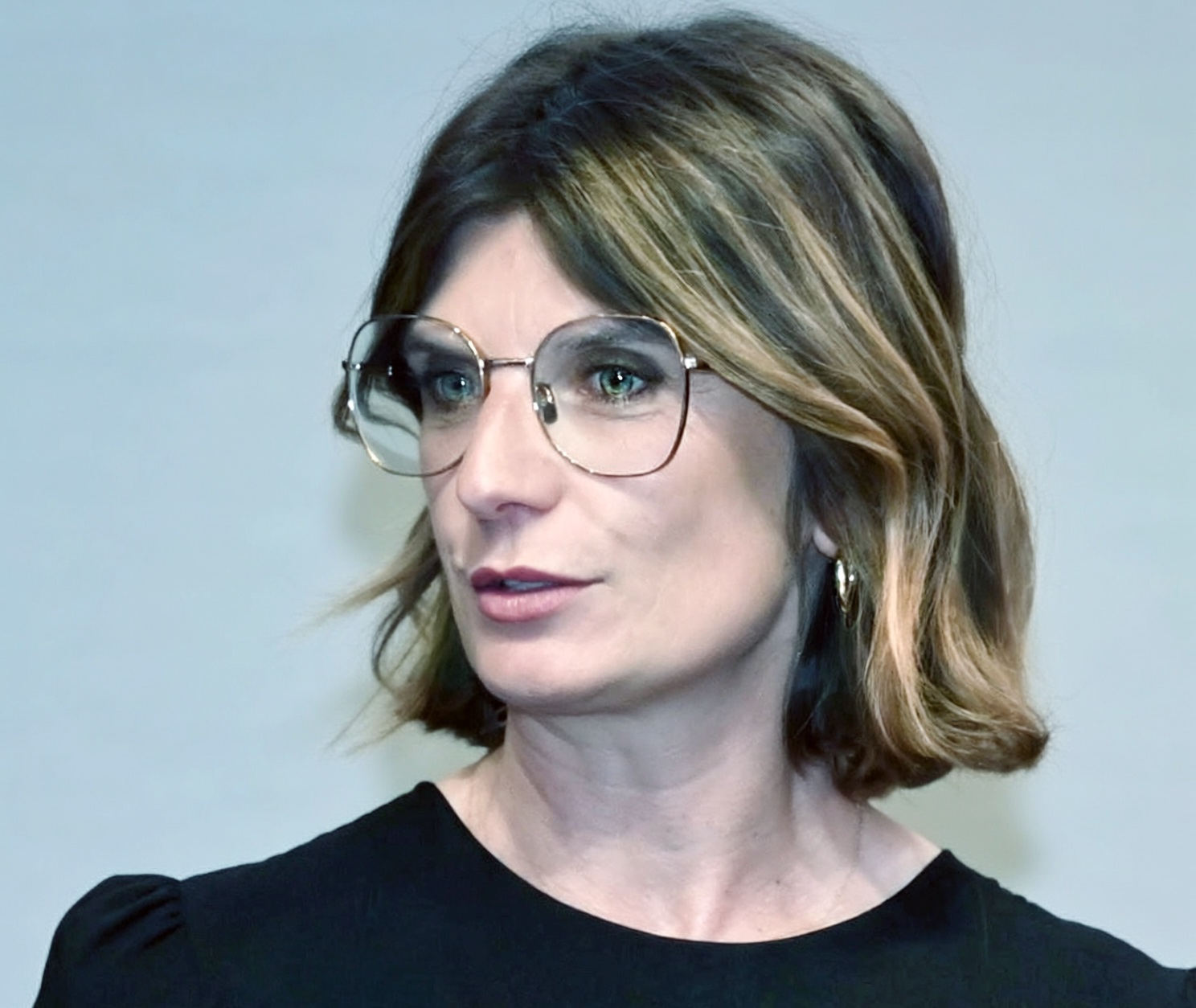
During a four-year tenure defined by expertise and elegance, Alessandra Fazio has made a lasting impact on the Italian Institute of Packaging. She has pushed the association – the benchmark organisation for the entire packaging supply chain – to step outside its comfort zone and establish itself as a trusted technical voice within the corridors of power. It is a mission that can truly be declared “accomplished”. In this end-of-term interview, Fazio reflects on the key projects pursued during her four years in office – initiatives that saw the Institute and the Ethical Packaging Charter Foundation (Fondazione Carta Etica del Packaging) take a leading role in schools and at the heart of major cultural events.
Looking back at your two terms at the helm of the Institute, which projects do you consider the most significant?
We have achieved a great deal. Some projects arose from changes in the regulatory landscape, while others were central to my personal agenda – and those are the ones where I feel I’ve made the biggest impact. This is particularly true of advocacy, which defined my second term and represented a significant departure from the past. We partnered with an external specialist firm to raise the Institute’s profile and bolster its authority, particularly at an institutional level. Throughout this process, we have played to our strengths, particularly our technical and scientific expertise. At the same time, we have always maintained our status as an independent body, representing the entire packaging supply chain from manufacturers to brand owners. Another important focus of our work is communications. We have sought to use social media more effectively, involving our staff in training and initially working with an agency to set our new strategy in motion.
The luxury packaging committee was another highlight, resulting in the drafting of some vital guidelines. Here too, our desire to look beyond our traditional focus on food-contact suitability proved essential, and we’re delighted with the results. While focusing on food contact was perhaps inevitable at first – as that’s where the regulations were concentrated – we have since evolved and expanded our reach into other sectors. I believe I’ve contributed significantly to this growth. Finally, over the last four years, the Institute’s staff has grown and new areas of expertise have been added. Significant work has also been done in the field of AI, including the development of a chatbot for the Wikipackaging section of the portal.
As you mentioned, the Institute covers the entire supply chain. There is constant talk about the need for synergy in the packaging sector. Do you feel the industry is more cohesive now than in the past?
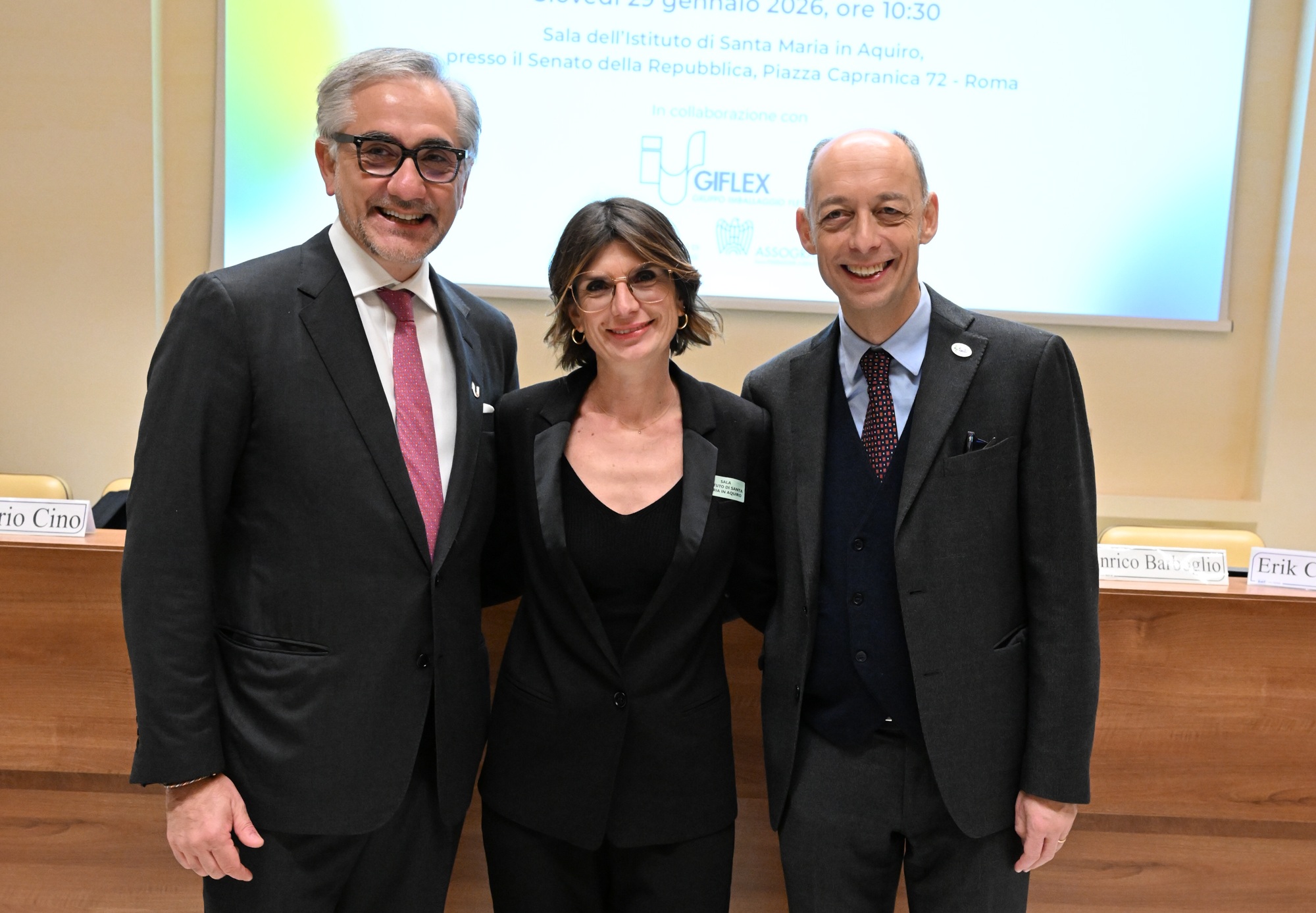
Yes, I believe it is. We’ve seen tangible proof of this, as in the case of the meeting we organised at the Italian Senate a few months ago with Giflex, Ucima and other industry associations. There is a palpable desire for unity; the goal is to speak with a louder and more influential voice. It’s not that the need wasn’t there before, but there used to be a tendency to act independently, focusing solely on individual interests and opinions. Today, presenting a united front is an essential enabling factor; it is something we simply cannot do without. It’s no coincidence that when I was re-elected two years ago, networking was a pillar of my platform alongside advocacy. I’m delighted to see how much progress we have made in that respect.
These four years have brought major shifts, from sustainability regulations like the PPWR to geopolitical turmoil, particularly the conflicts in Ukraine and the Middle East. How have businesses adapted to these changes?
This is undoubtedly a very challenging time in which the rules of the game are changing constantly. While this puts pressure on companies, it is also forcing them to grow. They’ve come to realise that they have to rethink their strategies. From this vantage point, I have seen a remarkable capacity for adaptation, which in turn has sparked a wave of innovation. Innovation is now a fundamental driver, offering a privileged position in the market to the players who innovate best and fastest. These challenges have acted as a wake-up call, driving evolution despite an initial sense of disorientation among many companies. When I talk about innovation, I mean products and services, but also organisational structures – finding that extra edge that enables companies to stand out in a complex regulatory and geopolitical landscape. What matters most today is being able to ride the wave: it is not enough to simply comply with regulations; you have to anticipate them. This is the added value of being part of an association: a network is fundamental for managing change and achieving effective positioning. In short, I believe I served as Chair during a very difficult but stimulating period – one that saw more companies than ever turn to the Institute for dialogue and ideas. Many of our achievements stemmed directly from our members’ needs and their willingness to cooperate. It is no coincidence that their numbers have grown, with new members joining from sectors such as cosmetics and luxury, which now find themselves facing new challenges.
Returning to advocacy, an area where you have been particularly active, are you satisfied with your engagement with the world of politics?
As an association, we see that some rules and requirements can seem short-sighted or even paradoxical to businesses. This happens because policymakers don’t always understand the finer technical details. Sometimes they have no idea of the consequences of their decisions, or they overlook key factors. As the Italian Institute of Packaging, we have worked on this through advocacy – establishing ourselves with the authorities as a technical body and an expert in industry regulations, capable of providing technical and scientific support. Our goal is to secure a seat at technical tables, helping decision-makers do their jobs by making more informed choices.
Beyond politics, you’ve also done a lot of work in schools – with the decision-makers of tomorrow.
Yes, we’ve pursued these efforts through a project entitled “Packaging: What a Fantastic Adventure”, led by the Ethical Packaging Charter Foundation. The project stems from the need to raise awareness beyond our traditional audience. With the aim of fostering a positive packaging culture, we decided to reach out to schoolchildren – the influencers of tomorrow. We know that the general perception of packaging today is largely negative, particularly in the context of pollution, so we wanted to help young people understand its true characteristics and value. We started out quite modestly, never imagining that it would become such a huge success. After the first year, we repeated the project and extended it to middle schools. The format included multimedia lessons and in-person sessions with our staff and ambassadors from local firms. We have also organised creative workshops and competitions where students can present their own designs. I believe it’s a wonderful way to talk to the younger generation about packaging and its real value, sparking conversations within families and among friends. Stepping outside its comfort zone was a significant move for the Ethical Charter Foundation, which has focused not only on its solid relationship with industry experts but also on projects aimed at the general public, with a strong emphasis on social sustainability.
As your term draws to a close, we should also mention the Best Packaging contest, which serves as an outstanding showcase for the Institute.
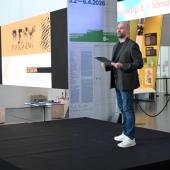
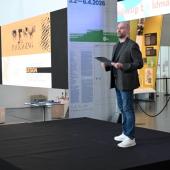
That’s right, and it’s something that has become particularly evident at recent editions of the event. The projects, the awards and the overall feel of the contest have all evolved, as evidenced by Erik Ciravegna’s opening speech at this year’s edition. Best Packaging encapsulates many of the themes we’ve already discussed: the investment in communications, the openness to other sectors and the focus on corporate innovation.
What is your fondest memory?
I have so many. I don’t want to sound repetitive, but I would say the people. That’s just the way I am – a bit of a romantic: for me, people are the true added value. Over these four years, I’ve found a truly wonderful community here. That includes everyone at the Institute, of course, but also all the people I’ve had the chance to work with. It’s been an incredible journey. I took on this role perhaps not quite knowing what to expect, but I found myself on an adventure that has been truly enriching. The network, the mutual inspiration and the shared values in everything we do – those are the things I will always carry with me.
What does the future hold?
I’m certain the Institute and the Foundation have a bright future ahead. There is so much to work on, and the current landscape is incredibly stimulating. As I mentioned earlier, the Institute has grown because companies feel the need for guidance on crucial issues through these complex times. We’ve shown we can adapt quickly and provide members with a service that genuinely adds value. To my successor, I’d say they have a very solid foundation to build upon. I’m not calling for my specific projects be carried forward, as I believe the strength of the Institute’s governance – rotating between manufacturers and brand owners – lies in the ability to see things with fresh eyes. But I do hope we will continue to invest in the network and keep this evolutionary process alive.