

Luxury packaging: refined design with a circular ethos
Milena Bernardi
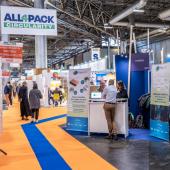
For three packed days, the Allianz MiCo convention centre in Milan hosted the 2026 edition of Packaging Première, the benchmark event for professionals in high-end packaging. Reaffirming its status as a vibrant industry hub, the show brought together the beauty, fashion, jewellery, wine, spirits and premium food sectors in a showcase that successfully combined artisanal tradition with technological innovation. The event highlighted a clear shift towards aesthetic and functional solutions focused on bio-based materials, now considered an essential requirement across the entire market and particularly in the luxury segment. Visitors also explored high-impact sensory surfaces with distinctive textures and finishes designed to transform the unboxing experience into a lasting memory.
From nature, back to nature: a successful debut for the Discovery Zone
“Nothing is lost, nothing is created, everything is transformed.” Originally formulated in the eighteenth century, Lavoisier’s principle feels more relevant today than ever. The idea that matter is not lost but transformed lies at the heart of the modern circular economy, which focuses on reclaiming waste and converting it into new resources to minimise environmental impact. Against this backdrop, the Discovery Zone – an area sponsored by Oropress and dedicated to start-ups, cutting-edge technologies and next-generation biomaterials – offered a tangible showcase of the latest advances in research. Making its debut at Packaging Première, the platform was conceived as a space for experimentation and innovation dedicated to solutions capable of anticipating changes in the supply chain with a specific focus on sustainability.
When waste becomes a valuable resource
Next-generation biomaterials demonstrate how organic by-products and residues can form the basis for sustainable, high-performance and recyclable packaging.
Here are a few examples:
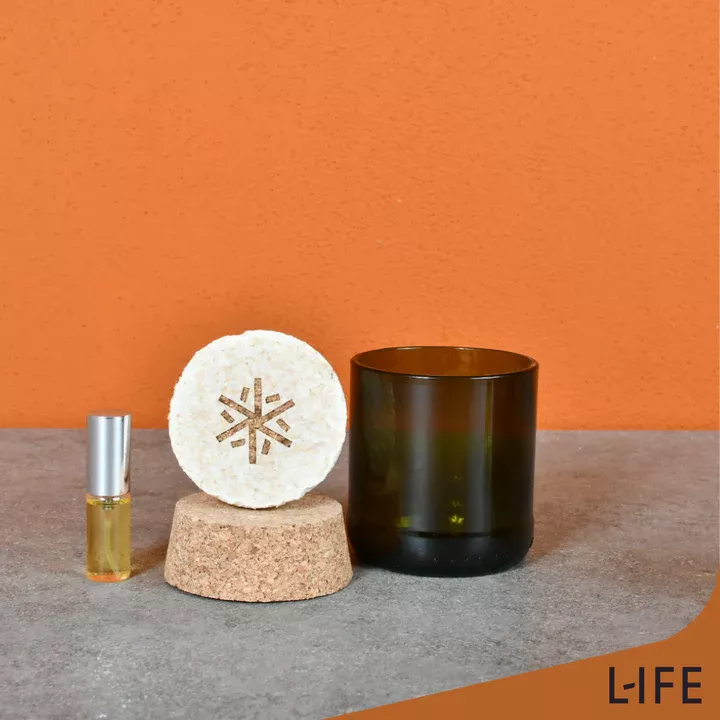
l-ife: This Italian start-up specialises in the development of pioneering mycelium-based materials, produced through the controlled growth of fungal networks on organic waste such as straw and wood. The company uses the natural, sustainable properties of cultivated mycelium to produce modular, automatable packaging that combines practicality with compostability. Its portfolio includes an eco-friendly mycelium packaging set consisting of a customisable pure cellulose outer box and a soft mycelium inner insert designed to absorb impacts during transport. The material is produced through biofabrication: the mycelium grows inside a specially-designed mould on a plant waste substrate, transforming it into a robust, high-performance material.
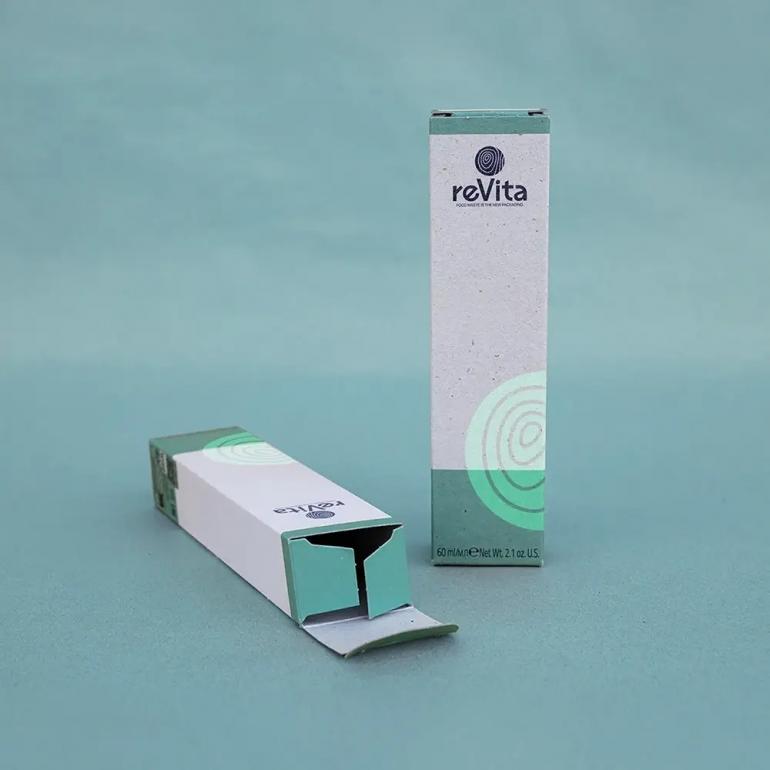
ReVita: Agri-food waste such as tomato skins, rice husks, wheat bran and brewers’ spent grain can all be reclaimed and converted into plant fibres suitable for the production of paper for cosmetics, food and fashion packaging. Founded in Milan in 2022, ReVita has developed a patented, pollutant-free, plug-and-play process that transforms these plant residues while drastically reducing environmental impact. Because the system uses readily available agricultural by-products, production is not exposed to weather-related risks or seasonal fluctuations, ensuring supply chain continuity. The paper is available with a coated front for a sleek, premium finish, or uncoated to preserve a raw, natural and tactile feel. The visible texture of ReVita paper reflects the material’s origins, adding a unique narrative value and distinctiveness to the packaging. Available in weights from 10 to 500 g/m2, it offers excellent printability, structural rigidity and aesthetic appeal and can be recycled through standard paper recycling streams
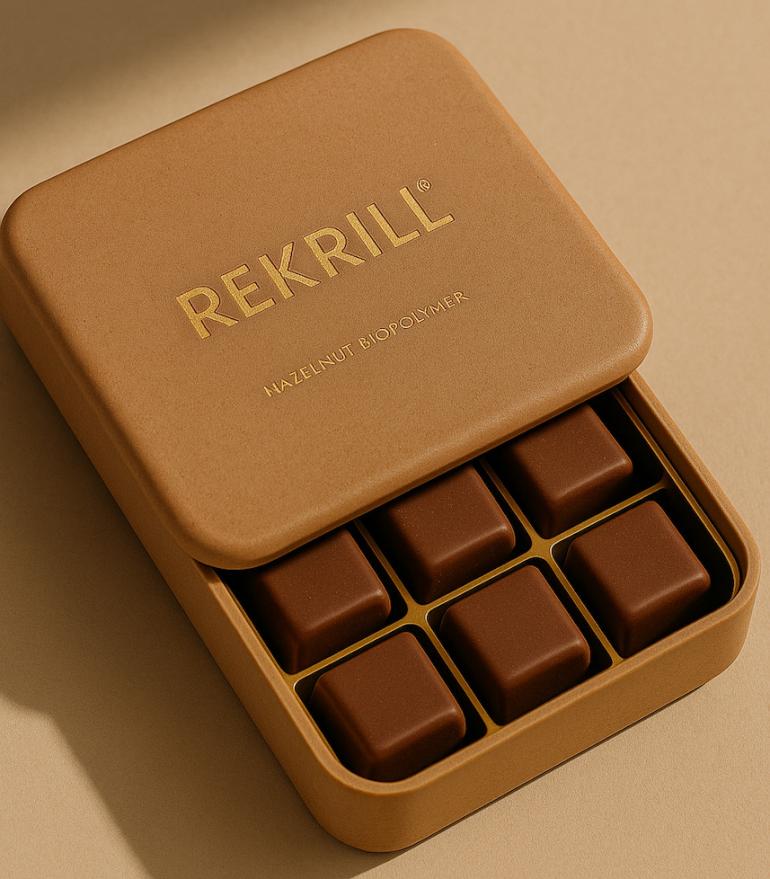
Krillmat: Italian materials company Krillmat aims to accelerate the ecological transition by transforming agro-industrial by-products into high-performance bio-based polymers capable of replacing traditional petrochemical plastics The company converts various organic residues, from citrus peel to coffee grounds and grape pomace, into high-performance materials. Its flagship project is REKRILL®, a 100% bio-based, compostable and microplastic-free polymer that reduces CO₂ emissions by up to 67%. Particularly suitable for cosmetics packaging, this solution allows brands to create packs that not only respect the environment but also communicate a direct connection with their natural origins through a distinctive material quality and an authentic visual identity.
The customisable surface textures and colours can evoke the specific food by-products used, such as peels, seeds or shells, making each object distinctive and instantly recognisable.
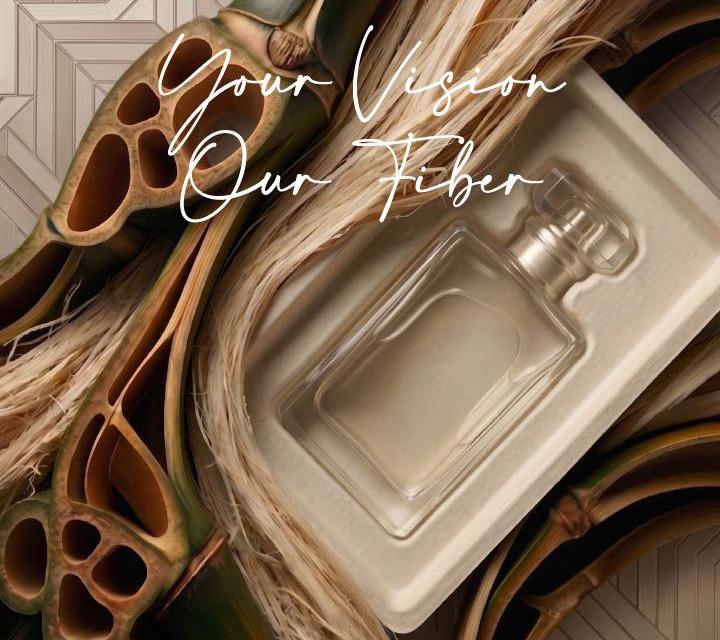
Alter Eco Pulp: Innovative start-up and Benefit Company Alter Eco Pulp introduced fibre moulding technology to Italy in 2022. This process uses natural cellulose fibres – sometimes sourced from processing waste from sugar cane, bamboo or wheat straw – to create single-use alternatives to plastic and other virgin raw materials such as wood and paper. No trees are cut down, no fossil resources are consumed and no human food resources such as maize are used. After use, the products can be disposed of in the paper stream for recycling or in the organic waste stream for composting. Using the same principle, the company can produce packaging for the food industry, including food-contact applications, as well as for the pharmaceutical and consumer goods sectors.
The Avant-Garde Awards anticipate trends
Another highlight of the event was Avant-Garde, the Packaging Première award celebrating the year’s most innovative packaging projects in three categories: Design, Sustainability and Innovative Materials.
The following are the winners.
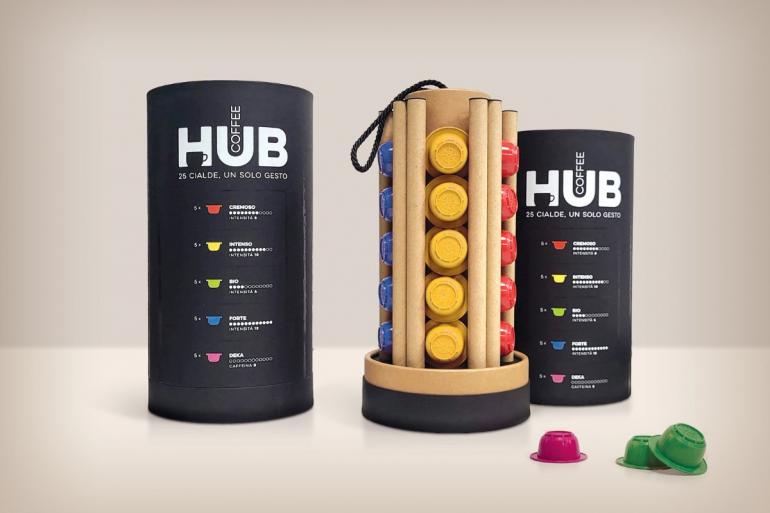
Design category: Coffee Hub by Tubettificio Robbiese
Coffee Hub reimagines coffee pod packaging through an entirely cardboard-based system that is fully recyclable and free from plastic components. The project combines structural design and functionality: a central tube and five external columns, organised by flavour, hold 25 pods vertically, keeping them orderly, protected and easy to access in a single action. Designed to last, Coffee Hub is reusable and refillable, allowing the pods to be replenished while extending the life cycle of the packaging and reducing waste.
Sustainability category: Vela Renew by Seaman Paper
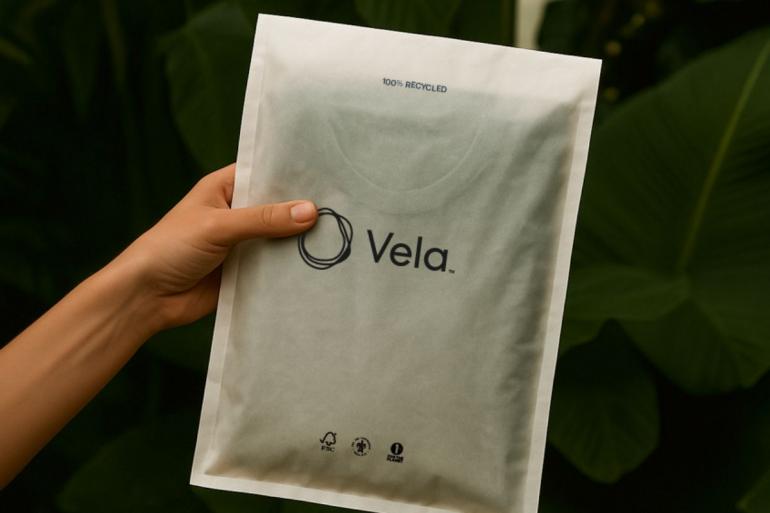
Vela Renew is a new recycled paper bag designed for global supply chains. Strong and already proven to be effective for transport packaging, Vela offers an easy-to-recycle paper alternative that can help replace the millions of plastic bags still used every year. Fully customisable and scalable worldwide, Vela Renew sets a new benchmark for paper-based packaging.
Innovative Materials category: Microauthenfy by Microrelleus
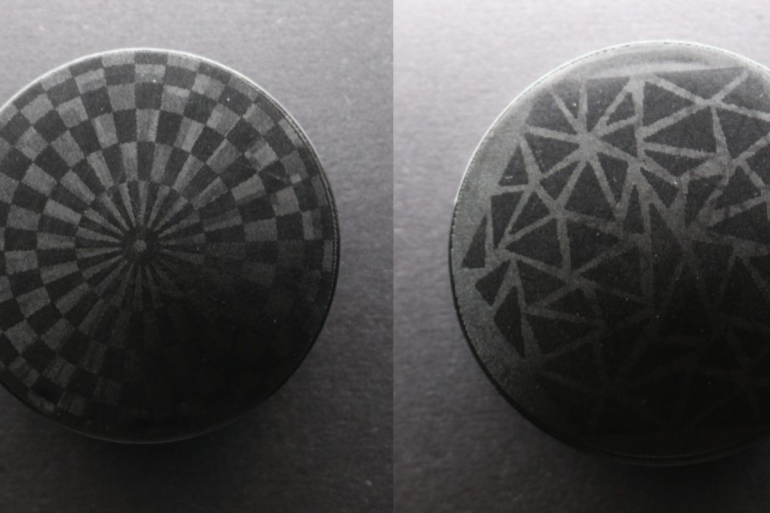
Microauthenfy is an integrated anti-counterfeiting solution that embeds authentication directly into plastic packaging, eliminating the need for labels, inks, coatings or additional components. By engraving optical microstructures into the injection mould, multiple images, logos or texts become visible on the final moulded part according to the way light interacts with its surface. These features are permanently replicated in every unit produced, turning security into a discreet design element that cannot be removed, altered or duplicated. The solution is fully scalable for mass production and compatible with existing injection moulding processes.