

Sustainable multipacks: an evolving pathway between automation and labelling
The growing focus on packaging sustainability is prompting companies to rethink secondary packaging, reducing material use and streamlining processes. Within this context, multipacks created through labelling are proving to be a constantly evolving solution, capable of combining production efficiency with a reduced environmental footprint.
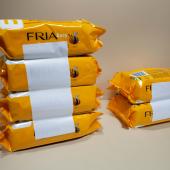
A concrete example is the case study developed by Etipack and Tiber Pack in the cosmetics sector for Diva International, focusing on the horizontal multipack labelling for wet wipes. The objective was to create multipacks ready for distribution while eliminating plastic films and additional packaging, without compromising product stability, productivity or visual appeal.
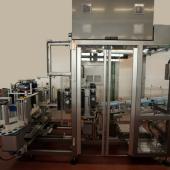
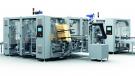
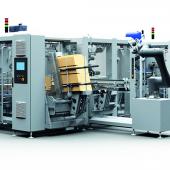
Tiber Pack, a specialist in automation applied to packaging and packing processes, designed a fully customised line, involving Etipack as the technology partner for the labelling phase. The solution is based on an automated line that conveys and stacks individual packs into configurable groups, which are kept stable by opposing side belts during label application.
Two Etipack Energy labelling machines simultaneously apply large-format side labels, joining the individual packs into a compact, easy-to-handle multipack. In addition to fully automatic format changeovers, the system delivers high performance, with an input capacity of up to 100 packs per minute and an output of approximately 50 multipacks per minute.
The modular, adaptable solution can be deployed to produce multipacks across a wide range of application areas, particularly in the food sector, confirming that the integration of automation and labelling represents an ongoing development pathway for sustainable multipack solutions.