

Giflor redefines sustainability in packaging
A path made of choices, investments, and measurable results
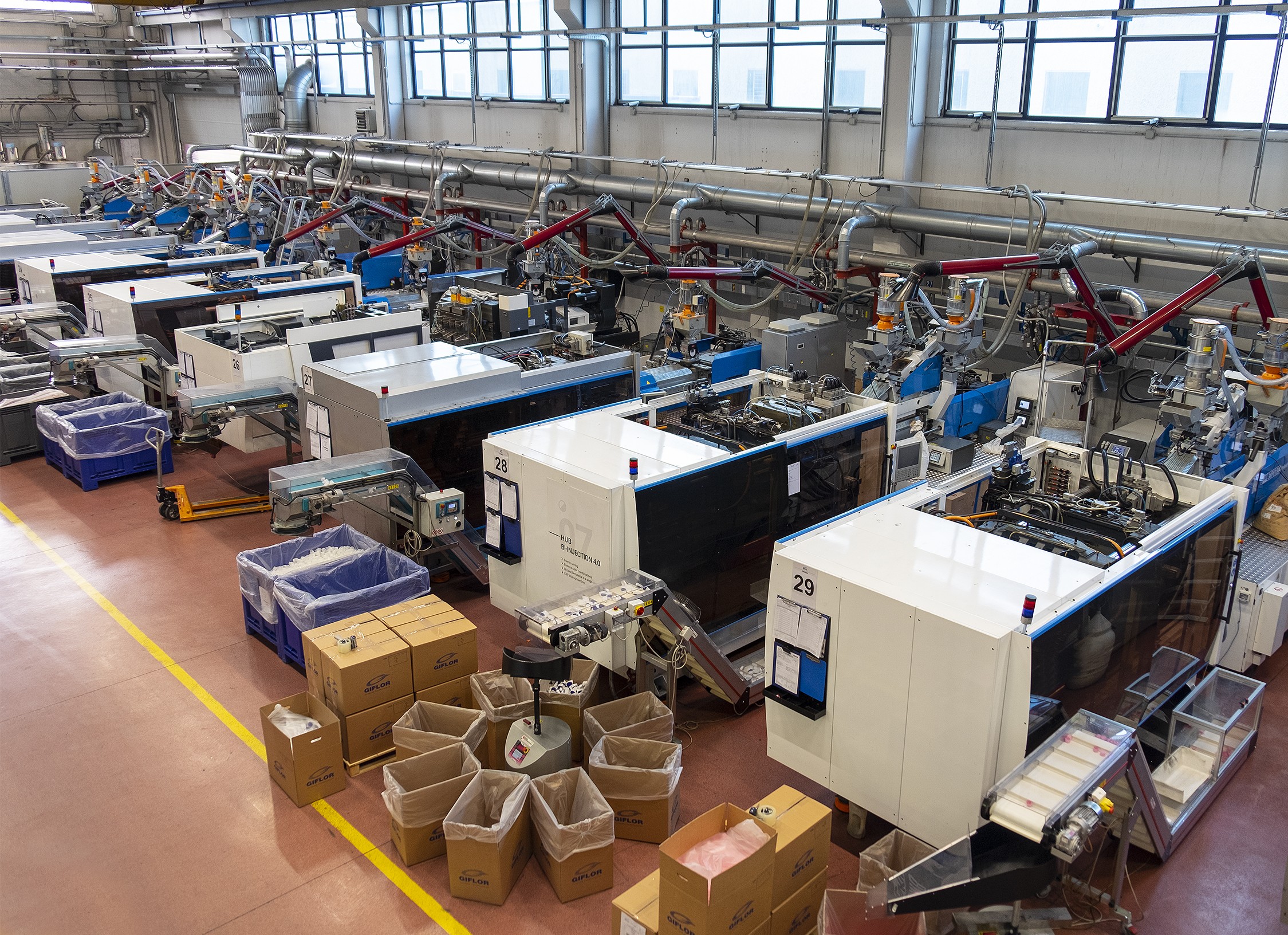
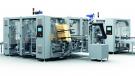
As a manufacturer specialising in moulding closures for bottles and tubes, Giflor has turned environmental responsibility into a core business principle, transforming every step of production, logistics, and design to minimise its impact on the planet. Over the past three years, Giflor has recorded tangible improvements in its environmental performance. Thanks to replacing traditional injection molding machines with new hybrid and electric ones, the company has achieved a 19% reduction in energy consumption, confirming a strategic, long-term commitment that benefits both production efficiency and the environment. The installation of a 150 kW photovoltaic system on the warehouse roof further strengthened this commitment: the plant produces around 150,000 kWh of clean energy per year, covering the entire annual electricity needs of Giflor’s automatic assembly lines and reducing reliance on non-renewable energy sources. The air conditioning of the production area and the insulation of the warehouse roof have also played a decisive role, helping to stabilize temperatures and cutting energy waste related to the traditional cooling and heating systems.
Reducing plastic
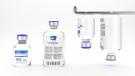
Giflor’s R&D department has long been focused on developing lighter, more sustainable packaging solutions. The Eco Low Profile (ELP) line, designed to use 50% less plastic, not only reduces material consumption but also lowers energy usage during production and transportation. By integrating Post-Consumer Recycled (PCR) resins, the company created the new ELP-PCR closures, a “two-times green” solution that combines lightness with recycled material content. In addition, Giflor carbon-black-free compounds, which ensure recyclability even for dark-coloured caps, thereby promoting circular economy principles.
Sustainability at every step
Giflor’s commitment goes beyond materials and machinery. The company has optimized its production environment by introducing air conditioning systems that stabilize processing temperatures. This improvement not only enhances working comfort but has also led to more consistent product quality and a 6% reduction in waste between 2023 and 2025 - an impressive result considering the already low initial values. Sustainability at Giflor is an ongoing journey, built on data, transparency, and innovation. Each initiative – from adopting renewable energy to developing recyclable materials and reducing production waste – contributes to a larger vision: designing packaging solutions that combine aesthetics, performance, and environmental respect. As the company continues to invest in research and technology, its path toward sustainability grows stronger, proving that true innovation lies in responsibility.
This article appears in the Special: