

Steel and aluminium packaging
A staple of the packaging world since the 19th century, metal packaging has continuously re-invented itself, expanding its applications and enhancing its functionality. Size and characteristics of the Italian market as of 2024 (final data), broken down by packaging type.
Barbara Iascone
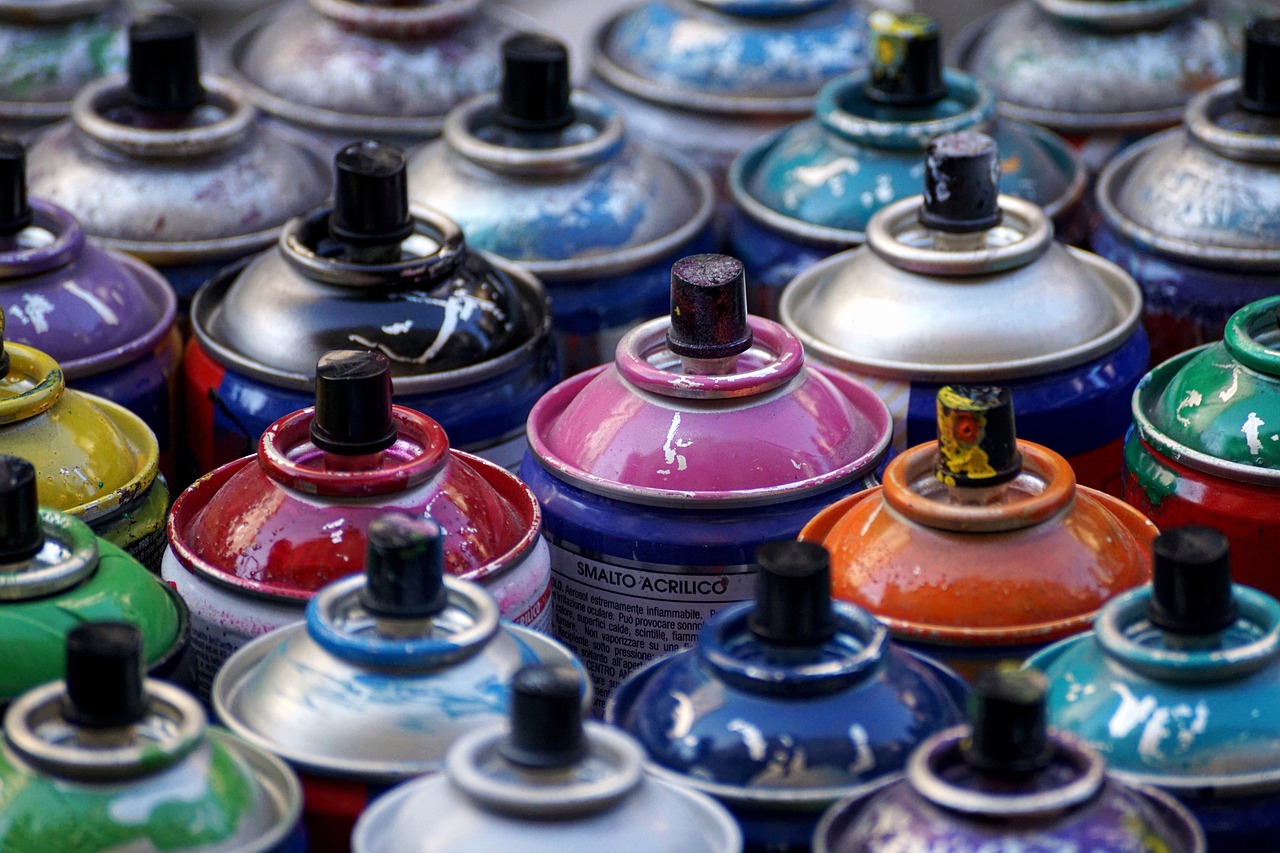
Metal packaging refers to containers made mainly of steel or aluminium. Valued for their strength durability and protective properties, these materials are used to package a wide range of products, including food and beverages, cosmetics, chemicals, pharmaceuticals and paints.
Steel was one of the first packaging materials to be used in history, making its debut in 1810 when English entrepreneur Peter Durand was granted the first patent for a “tin-plated iron can” (tin-coated steel). Drawing inspiration from French research into food preservation and transport, his innovation significantly improved the supply systems for the military and navy.
In 1886, however, the development of a new process made it possible to produce aluminium from bauxite on an industrial scale at significantly lower costs, ushering in the era of modern aluminium. This led to the widespread production of aluminium containers, which entered the market between 1910 and 1920, primarily for cosmetic and pharmaceutical packaging.
This analysis presents the preliminary figures for 2024, ahead of the publication of the 2025 edition of Packaging in Figures, which will include the final figures.
Metal packaging: the situation in Italy
In 2024, steel packaging accounted for 70.4% of domestic metal packaging production (expressed in tonnes), and 33% of total industry turnover (expressed in euros). Aluminium packaging represented 20.6% of production and generated 67% of total turnover (Tables 1 and 2).
This disparity can be attributed to the fact that, while steel is more widely used, especially in the food industry, the higher cost of aluminium contributes to significantly higher revenues.
Overall, the sector closed 2024 with a partial recovery of the losses recorded in the previous two years, recording a 4% increase in turnover and a 2% increase in production, with approximately 794,200 tonnes of metal packaging produced. As we will see in more detail, the changes were primarily driven by two key sectors: food and cosmetics.
Foreign trade also showed positive trends, with imports up by 18.3% and exports increasing by 4.8%. Approximately 95,000 tonnes of metal packaging were imported, reflecting a consistent upward trend in line with the broader packaging sector, while exports reached 339,300 tonnes (foreign trade values are based on 12-month ISTAT data).
Steel packaging: types and market
According to the classification adopted in Packaging in Figures, steel packaging is categorised into two main groups: lightweight tinplate containers and thin sheet metal drums.
Tinplate. This category includes three types of packaging: open top, general line, and closures.
Open-top packaging is used for food products such as peeled tomatoes, vegetable preserves, tuna, and similar products.
General line packaging is intended for chemical products such as paints, varnishes, and solvents, as well as for edible oils, typically packaged in metal tins. This category also includes canisters used in both the food and non-food sectors.
Lastly, closures include crown caps and twist-off caps.
Drums. These are made of uncoated sheet steel, protected instead by suitable internal and external coatings. Drums typically range in capacity from 50 to 300 litres, with 200-litre drums being by far the most common. Available in both cylindrical and truncated cone shapes, they are used for a variety of applications. In the food sector, they are used for transporting tomatoes from harvest to processing, or for packaging oil intended for industrial use. In the non-food sector, they are used for oil, fuel and other similar products (Table 3).
The market in Italy. In 2024, packaging production in Italy is expected to reach approximately 630,900 tonnes, marking a 1.4% increase over the previous year.
Foreign trade also showed a positive trend: imports, though still relatively low, rose by 19% (73,300 tonnes), while exports rose by 2.3% (275,300 tonnes).
• Light tinplate packaging - which includes open-top containers, closures and part of the general line packaging (particularly smaller formats) - continues to dominate the sector, accounting for more than 85% of total production.
In 2024, production grew by 3%, reaching 538,000 tonnes. Exports, which account for more than 84% of global steel packaging exports, remained stable at 242,200 tonnes, an increase of 1.8%. Imports rose by 23% (66,600 tonnes), but still remain limited in comparison to apparent consumption.
Within the lightweight tinplate segment, open-top containers make up 62%. Although this figure reflects a slight decline from 2023, it underscores the influence of the food sector on the segment. General line packaging accounts for 26.9%, showing upward movement, and closures stand at 11.1%.
- Steel drum production in 2024 amounted to 93,000 tonnes, an 8% decrease compared to 2023. Imports fell by 11%, whereas exports increased by 6%.
About 72% of steel drums are used in the petrochemical sector, with the remaining 28% are used in transporting seeds, tomatoes, and other industrial goods.
Aluminium packaging: types and market
Aluminium packaging includes a wide range of containers used for both food and non-food applications.
Among the most common are beverage cans, tins for canned food, and tubs.
Aerosol cans and bottles are mainly used in the cosmetics industry. The category also includes thin foil and closures, such as screw caps and easy-open lids (Table 4).
The market in Italy. Aluminium used in packaging production includes various formats such as can stock for beverage cans, foil stock for thin sheets and capsules, can body stock for food containers, and slugs used to produce aerosol cans.
The alloys used for these applications are numerous and vary depending on the production types and end uses.
In 2024, Italian production of aluminium packaging, excluding foil used for lamination by flexible packaging converters, reached 163,300 tonnes (a 4.8% increase over the previous year).
All packaging categories recorded positive growth.
As for foreign trade, both exports and imports (+15%) are growing and have supported production. In particular, exports increased by 17% compared to 2023, helping offset a 5% decrease in the market
Looking specifically at the production of empty aluminium packaging in 2024, containers accounted for 30.6%. This was followed by the “other” category at 23%, which includes thin foil for yoghurt lids, tubes, capsules, and wine closures. Food trays accounted for 17.3% of production, up from the previous year, mainly attributable to the growing demand for take-away and convenience foods. Closures made up 16.1% of the market share, while thin foil accounted for 13%.
According to data compiled by the Italian Packaging Institute, which analysed packaging mix trends across one hundred or so user industries, aluminium containers were segmented as follows: beverage cans accounted for 63.3%, followed by pharmaceutical and cosmetic containers at 18.1%, tins for preserved food at 17.8% and “other” at 0.8%.
Recycling of metal packaging
The end-of-life of packaging is primarily managed through recycling. Thanks to the ongoing efforts of the CONAI supply chain consortia, the percentage of packaging sent for recycling continues to grow year by year.
In the case of steel packaging, the RICREA consortium is responsible for overseeing this phase. According to the latest data, 487,548 tonnes of packaging will be recycled in 2024, representing 87.8% of the steel packaging placed on the market, which exceeds the legal targets set for 2030.
The recycling and recovery of aluminium packaging are handled by CIAL. Their most recent figures indicate that, in 2024, 68.2% of aluminium packaging was recycled, which amounts to 62,400 tonnes in weight. This, too, exceeds the targets set for 2030.