

Rigid plastic packaging
Production trends, market positioning and foreign trade in 2024
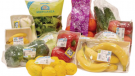
Plastic packaging, widely present on the market and used across virtually all sectors, accounts for approximately 50% of the total turnover of the Italian packaging industry and almost 20% of total production in tonnes. However, it is important to note that, due to its low weight, plastic packaging is significantly under-represented when measured in tonnes. A quick glance at supermarket shelves shows that it is much more widely used than other competing packaging. Both flexible and rigid plastic packaging was created with the precise aim of reducing food waste. Their characteristics help extend the shelf life of fresh produce by at least two weeks. The strong focus on research and innovation in this sector has led to significant progress in recycling and sustainability (bioplastics).
Market trends
In 2024, the plastic packaging sector (flexible and rigid combined) recorded a turnover of approximately €16.2 billion, marking a decline of 1.5% compared to the previous year. In terms of tonnes produced, however, the following study only focuses on rigid packaging. This includes bottles for food-grade liquids, bottles (or containers) for industrial and domestic use, trays, blister tubes, large containers, as well as accessories such as closures, dispensers, protective packaging, straps, etc. In 2024, production rose by 2.4% year-on-year, reaching 1.834 million tonnes. This increase was seen across the board, regardless of the type of plastic used. More specifically, the use of recycled plastics continues to grow steadily, while the use of bioplastics remains relatively stable.
Rigid packaging and accessories together account for 54.9% of total plastic packaging produced in Italy. Within this segment, containers hold a share of 85%, with production reaching 1.556 million tonnes in 2024 (a 3.4% increase compared to the previous year). Exports declined sharply by 4.7%, while imports recorded a slight decrease 0.5%. The Italian market absorbed 97% of total production. Production of accessories also fell in 2024 (-2.6%) to 278,000 tonnes. However, imports increased by 14% and exports by 2%.
Trade
Overall, foreign trade recorded positive trends, with exports increasing by 2.2% to 380,000 tonnes and imports increasing by 0.4% to 286,000 tonnes. As usual, the majority of trade took place with European countries (primarily France and Germany), which accounted for 89.8% of exports and 82.1% of imports. Notably, imports from Hungary practically doubled in 2024.
Sectors of use
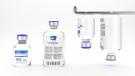
As with paper and cardboard packaging, there are many uses for plastic packaging. The most prominent field of application remains food and beverage, which together account for 85.6% of total usage (49.8% for food and 35.8% for beverages). 9% of rigid plastic packaging is used in the chemical and household cleaning sectors, while the cosmetics and pharmaceutical sectors account for 4.7% of demand, mainly through the use of jars, bottles and tubes. Despite the numerous environmental challenges posed by this type of packaging, the sector has maintained high production standards, largely due to the advanced technological capabilities of this material. These crucial characteristics have made it possible to introduce key improvements over the years aimed at enhancing sustainability (e.g. reducing material usage, increasing the share of recycled content, facilitating packaging recyclability).

Recovery and recycling
According to data compiled by COREPLA – the supply chain consortium responsible for the collection and recycling of plastic packaging within the CONAI system – more than 1.5 million tonnes of plastic packaging were collected in Italy in 2024, a 4% increase compared to 2023. This corresponds to an average of over 26 kg per capita. Around 931,000 tonnes of packaging were sent for recycling, bringing Italy close to the European target of 50% a year ahead of schedule.