
Coesia lights up the path to the future
At Interpack, the group showcased five integrated production lines. Aiolfi: “All our companies are technology leaders. We offer solutions that deliver distinctive value to businesses”
Davide Miserendino
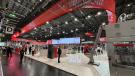
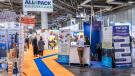
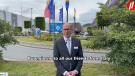
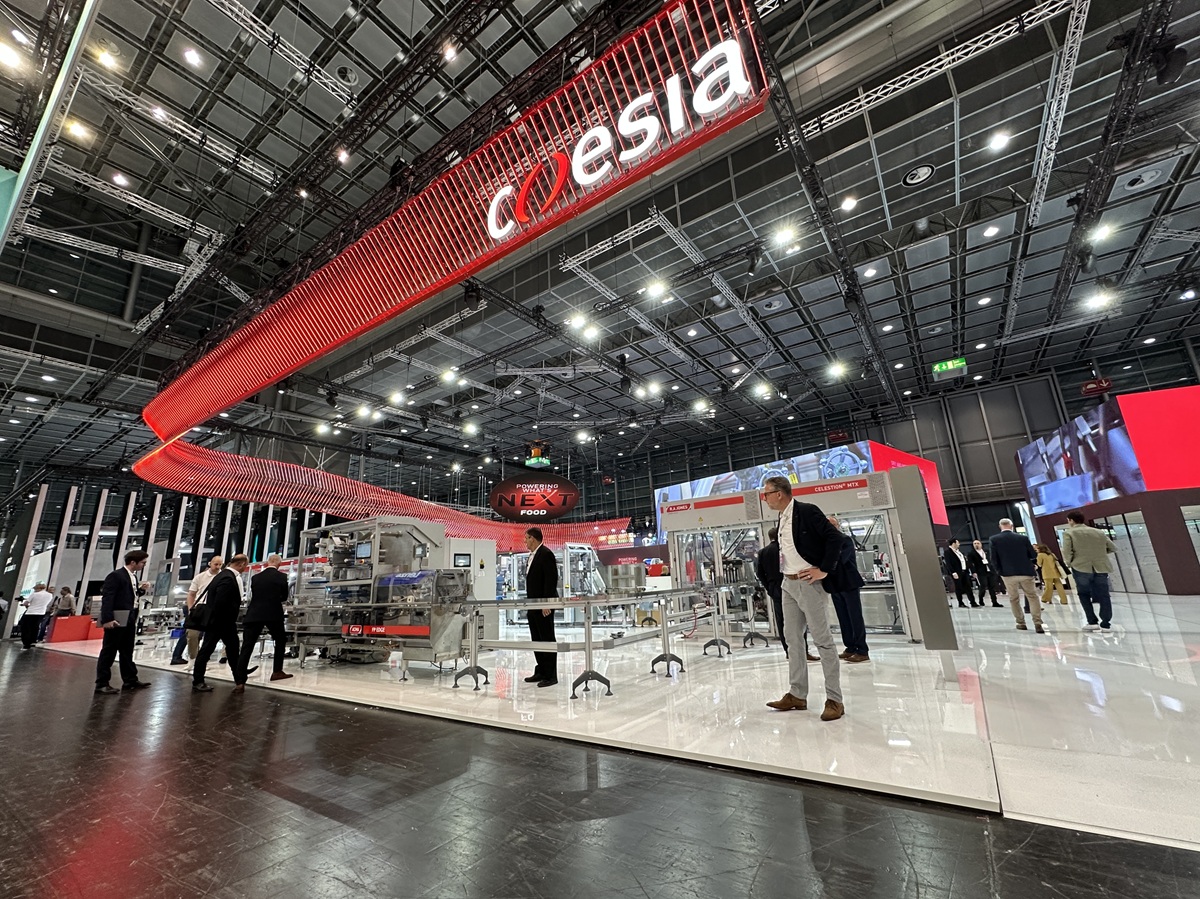
Coesia’s stand at the recent Interpack in Düsseldorf was dominated by a dazzling ribbon of red LEDs extending around the perimeter of the exhibition space, a long luminous thread that served as a fitting metaphor for the group’s impressive growth trajectory. At the show, the group presented a fully interconnected ecosystem of technologies and solutions designed to deliver maximum efficiency and performance. Centre stage were five integrated production lines developed to replicate real-world manufacturing conditions and demonstrate how different technologies can operate as a single coordinated system in specific industrial sectors, from food to pharmaceuticals and cosmetics. Guiding us through this fascinating journey into the future was Luca Aiolfi, Head of Division at Coesia Consumer Market Solutions, who outlined the distinctive value the group delivers today.
Trade fair after trade fair, Coesia is taking giant strides along a path that increasingly combines intelligent automation, sustainability and systems integration. What advantages does this offer your customers?
It’s true, we have come a long way and are proud of the response we are receiving from the market. This journey has distant origins, but nothing happens by chance. The entire team has done an excellent job, and I believe our organisation today is particularly strong and effective. The main advantage lies in the breadth of our solutions portfolio, which is one of our greatest assets. The fact that every company within Coesia is a technology leader in its own market enables the group to operate as a platform capable of accessing broader markets and addressing more complex customer needs. The ability to share technological expertise between our companies, combined with the central engineering team we have built at a corporate level, enables us to develop solutions that represent our true distinctive value. Today, it is becoming increasingly difficult to standardise solutions. To make projects more efficient, we have defined a set of reference archetypes that helps us avoid duplicating engineering work and generating unnecessary costs. At the same time, customer needs are evolving at an extraordinary pace. This makes it increasingly important to work with customers through co-development and co-engineering, backed by all the necessary tools. That is where we can offer real added value, and customers are increasingly recognising this.
What are their most pressing needs?
Rising labour costs are a major concern, as is the growing difficulty of recruiting trained personnel. Automation is one answer to these challenges. Our customers also need to maintain product competitiveness, which means innovating sustainably. They need solutions that reduce waste and achieve the levels of performance required to stay competitive. As I said, we have to give our customers a competitive advantage, because they are under intense pressure. We know that market growth is driven by price rather than volume, which means that companies have to gain market share wherever they can. In this situation, the real difference lies in optimising Total Cost of Ownership and developing solutions that eliminate the root causes of an uncompetitive TCO. With an organisation like Coesia, finding these solutions is certainly easier. Another major focus for us is building a climate of trust with our customers, encouraging them to share more information with us. This is not easy, but the fact that we are a financially robust global entity – one that is here today and will still be here tomorrow – is helping us develop important partnerships. Although market figures this year are far from thrilling, things are going well for us. I feel we are a rare exception. I’m keeping my fingers crossed that we can sustain this momentum.
The changes you have described, which are already extremely challenging, are unfolding against a backdrop of intense geopolitical tension.
In today’s climate, marked by constant changes of direction, doing business is extremely difficult. It is often said that the real problem is not the geopolitical crisis, rising energy costs or the outbreak of conflicts; the real problem is uncertainty. I completely agree with that view. Every week of uncertainty creates a bill that we will all end up paying for months to come.
ACMA and CITUS KALIX: growing together
Few visitors to Interpack could resist stopping to admire the precision and speed of the bar packaging line known as Bars-in-Box. The system integrated unwrapped product distribution, flow wrapping, cartoning, case packing and palletising into a single coordinated workflow using technologies from ACMA, R.A. Jones, MGS and FlexLink.
The Potato Chips line generated similar interest. Capable of managing the transition from primary packaging to flow-wrapped multipacks with seamless efficiency, the line combines ACMA’s FP ONE flow wrapper and PWR’s SmartLine robotic system for high-speed grouping and pick-and-place operations.
“At Interpack,” explained Daniele Ponzibibbi, CEO of ACMA, “we showcased our strategy for the food sector, particularly for bars, snacks, biscuits and bakery products, presenting end-to-end solutions for the first time. The Bars-in-Box line stands out for its high speed and sustainability, as it handles materials that already comply with European regulations and the limits set for 2030. We presented a complete turnkey solution covering everything from product preparation to palletising. The Potato Chips line is the first integrated solution for the crisps sector and follows the same strategy, in this case based on the collaboration between PWR’s robotic systems and ACMA’s FP ONE, which made its debut here. This reflects an increasingly close synergy in terms of automation control systems, solution integration and customer relations.”
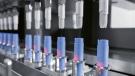
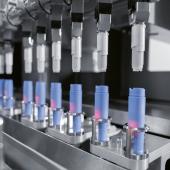
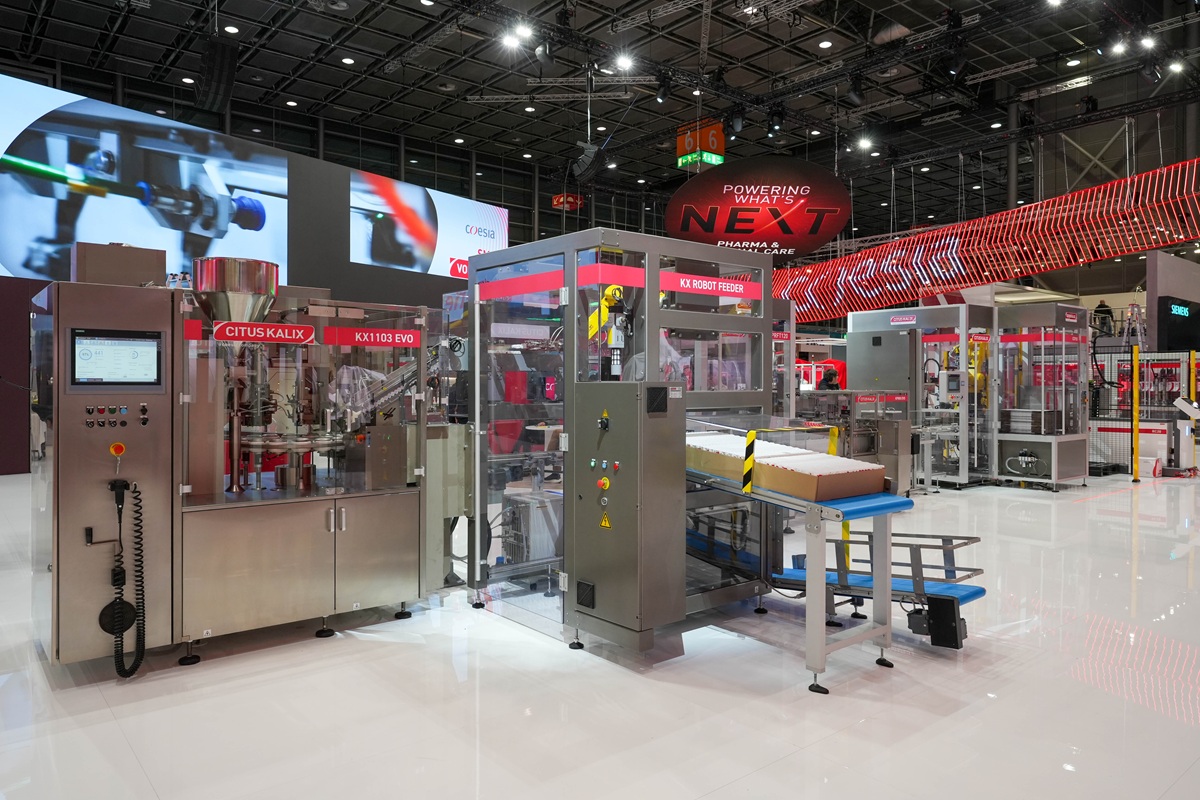
As Citus Kalix CEO Nicolas Le Pivert explained, the same approach is being adopted in the cosmetics sector. “For cosmetics too, we have developed a complete line concept similar to those for snacks and bars, integrating technologies that can make a real difference and create value for our customers.” Late last year, this strategy culminated in the merger of two Coesia companies. “Lyon-based ADMV merged with Citus Kalix,” Le Pivert explained. “This operation enabled us to combine Citus Kalix’s primary and secondary packaging systems with ADMV’s distribution technologies, with the ADMV name disappearing from the Coesia ecosystem.” The Cosmetics line on display at Interpack combines tube filling, cartoning, case packing and palletising into a single compact, ergonomic system.
In conclusion, the two CEOs highlighted the industrial logic now guiding the group’s strategy. They also pointed to the acquisition of certain assets from the Swiss Rotzinger Group, which led to the creation of the new company Rotzinger Transver and expanded the group’s capabilities in product handling, buffering and cooling systems. This global success story is based on three clear steps: careful analysis of the portfolio, the acquisition or integration of partners able to provide the expertise required by customers, and the exploration of new markets or niches.