

Milan Design Week: when packaging becomes storytelling and experimentation
At Milan Design Week 2026, packaging steps beyond the boundaries of its industrial function to become both a narrative medium and a space for experimentation. Two installations – one dedicated to aluminium, the other to an icon of Made in Italy such as Mutti’s tinned tomato pulp – demonstrate how materials, supply chains and companies can engage in dialogue with the worlds of design and art.
CIAL and NABA at Palazzo Litta
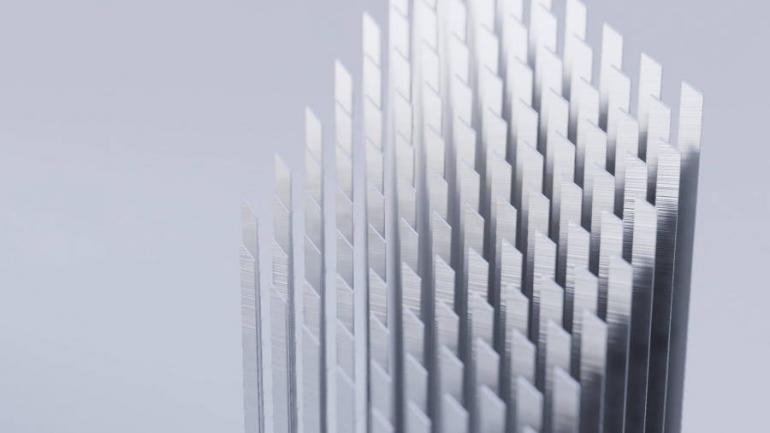
CIAL, the National Aluminium Packaging Consortium, presented at Design Week a project combining artistic research with environmental reflection. Extreme Environments, created in collaboration with NABA and hosted at Palazzo Litta as part of MoscaPartners Variations 2026, transformed aluminium into a visual language capable of questioning the relationship between natural and artificial, lightness and solidity, reflection and distortion. Metal surfaces become mirrors, filters and sensory membranes, inviting visitors to rethink an everyday material as an element of transformation.
As recalled by CIAL’s Director General Stefano Stellini, art represents “a privileged channel for conveying the values of circular responsibility and for engaging a generation of designers who look to the future with critical eyes and a sense of wonder”.
Mutti and the memory of an icon
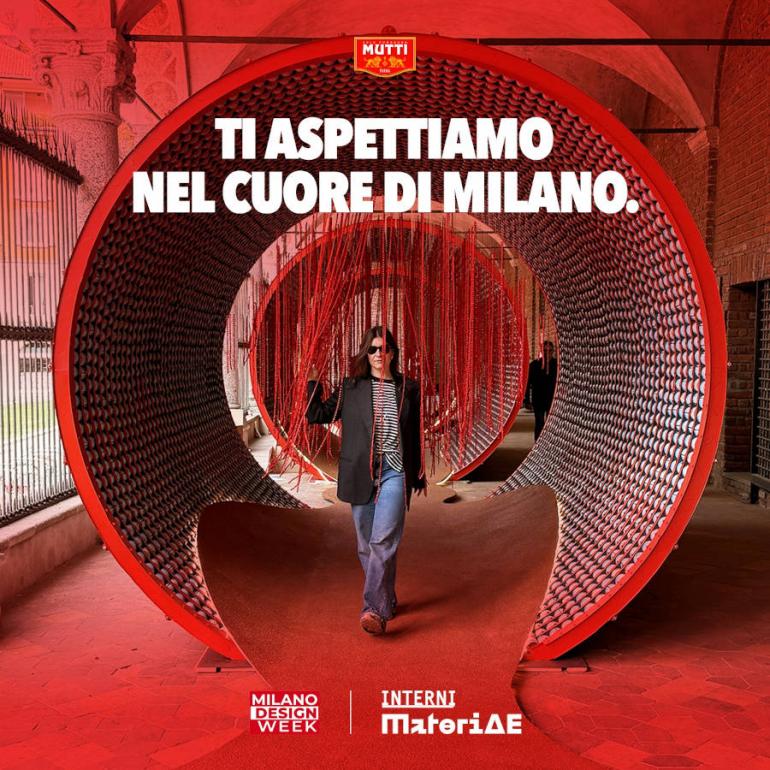
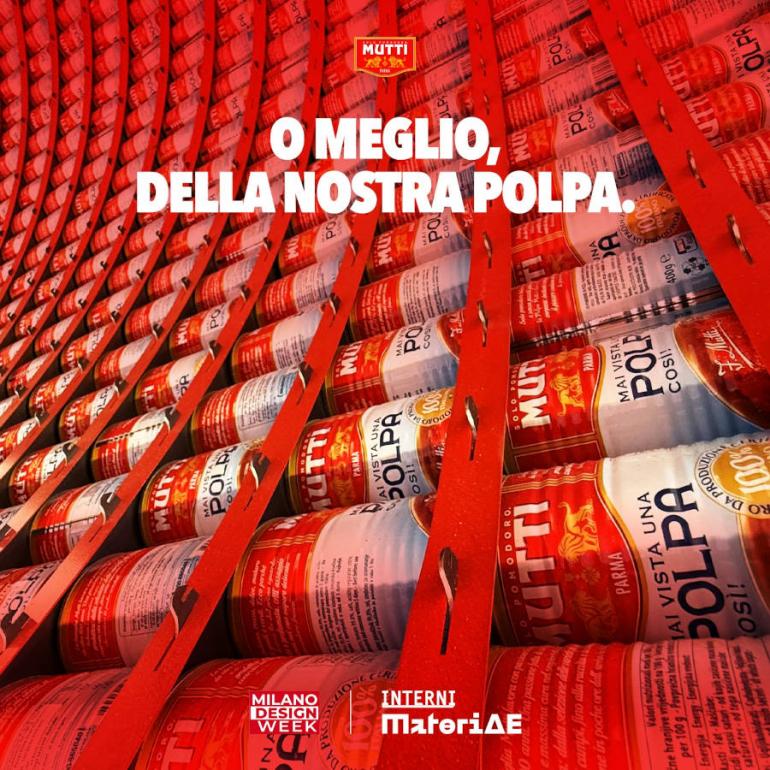
Just a few kilometres from Palazzo Litta, another material – the steel of food cans – became an architectural narrative device. Mutti presented House of Polpa, an installation made up of 20,000 cans of tomato pulp, corresponding to the number of days since the product was first launched in 1971. The immersive experience guided visitors along the tomato’s journey – from cultivation to processing – integrating circular and zerowaste solutions. In the words of CEO Francesco Mutti, the project represents “a real and symbolic taste of Mutti’s identity”, a way of telling the story of an iconic product through a collective gesture that culminated on 30 April, when visitors were invited to dismantle the installation and take home one of the cans.
Two materials, one shared direction
Although different in language and materials, the two installations follow a shared trajectory: packaging as material culture, as a space where industry and creativity converge, and as a place where sustainability becomes an experience rather than a mere statement of intent. CIAL’s aluminium project and Mutti’s installation show how the packaging supply chain can play a leading role in a broader cultural debate, capable of addressing responsibility, innovation and a shared future.
Ultimately, it is within this intersection of art, industry and community that ItaliaImballaggio itself continues to operate and shape the vision of its magazine.