

Vetropack: the winning partnerhip with Barilla
The highest standards, sustainability, quality and service are the key point for a continuous improvement in the operation of the two market leaders
Less material, more quality
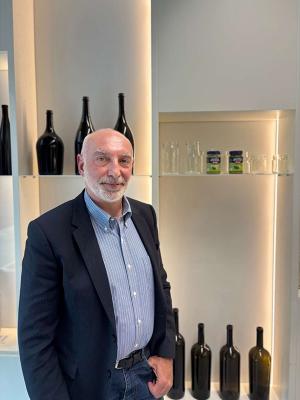
The Barilla philosophy is founded on the following purpose: “The joy of food for a better life.” Making no compromises on quality and ensuring comprehensive protection for consumers are among Barilla's core values. Guglielmo Bozano, who has been with the company since 1997 and involved in packaging procurement since 2000, explains what this means in practice: “We select materials very carefully and we reduce the packaging materials – from cardboard to plastics and glass – to what is absolutely necessary. This allows us to save valuable resources while continuing to package high-quality food in high-quality packaging. And we’re always looking for ways to further improvement and innovation.”
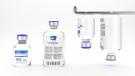
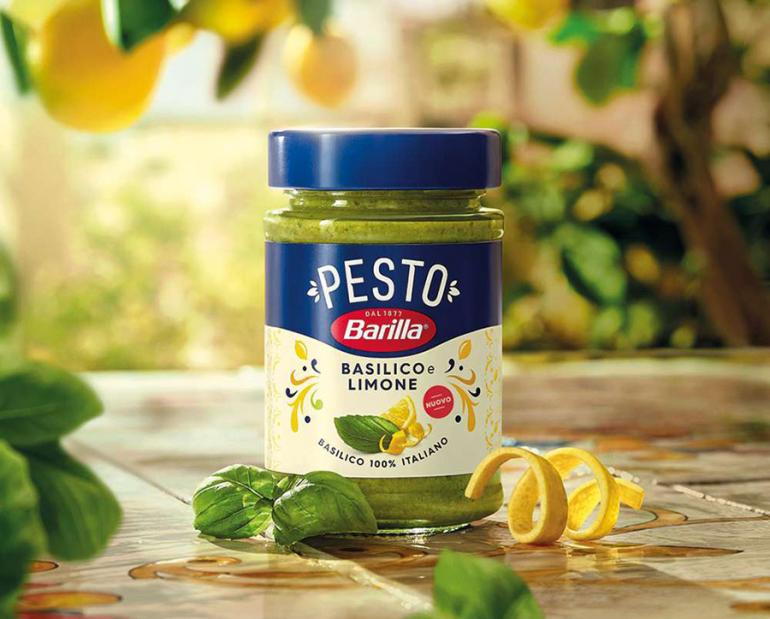
Glass packaging is primarily used for pesto varieties and sauces – and here too, Barilla is committed to continuous improvement. The partnership with Vetropack plays a key role in this. The two companies were already collaborating when Bozano began sourcing glass.
“We have high standards when it comes to quality and service. And we expect our partners to provide us with expert support in the development of new packaging. Vetropack has always been a trustworthy partner”.
When optimizing glass packaging, Bozano focuses on two key aspects: reducing material usage and increasing the proportion of recycled glass.
“When we develop a new jar, we first try to anticipate potential issues. Drawing on the experience of both our suppliers and our own teams, we can then implement targeted improvements. In the case of the 400-gram jar, for sauces, we achieved a straightforward weight reduction by ten percent after around five years. This was in 2016/17” Another successful project was the development of a 525-gram jar.
“From the outset, Vetropack identified the right shape. The glass has shown no weaknesses or breakage issues. This clearly demonstrates Vetropack’s expertise.” Bozano explains. He particularly values the cultural alignment between the two companies. “As family-owned businesses, we share the same mindset. For me, openness and working together on equal terms are essential – and this works seamlessly with Vetropack.”
Recycled glass: the packaging of the future
Looking ahead, Barilla intends to further increase the proportion of recycled glass in its packaging. “Initially, we used the classic transparent flint jar. During a visit to a supplier, I noticed jars with a slight tint. That sparked my curiosity. After thorough studies and collaboration with marketing, the benefits became clear. We are still working on it today. I have always believed that the future lies in using more and more recycled glass.” Bozano says.
Focusing on growth
In today’s market environment, Barilla faces intense competitive pressure. The company’s strategy includes clear targets for each business unit over the next three to ten years, with a strong focus on increasing efficiency and optimizing costs. For sauces and pestos, the priority remains the expansion into new markets.
At the same time, expectations around supply chains and sustainability are rising. In fact, Barilla has launched concrete initiatives to make its production increasingly sustainable. Over the past three years, it has tripled the power of photovoltaic systems at its Italian factories, for self-generation of renewable electricity – and plans to triple it again by 2026. Reducing emissions, improving energy efficiency, and increasing production independence are just some of the commitments made by Barilla, supported by concrete actions outlined in its Science Based Target initiatives (SBTi) plan.
Sustainability is at the heart of Barilla’s strategy and the company is set to continue growing. To support this growth, its successful partnership with Vetropack could be further expanded in the future.
Pasta, bread, and snacks: Barilla is undoubtedly one of the world’s most recognizable food brands and the global market leader in the pasta segment. Based in Parma, Italy, the company boasts a history spanning more than 140 years, since its foundation in 1877. Today, Barilla employs over 9,000 people, operates 30 production sites worldwide, and owns a number of well-established brands – including Mulino Bianco, Wasa and Voiello – with a worldwide presence. Initiatives such as the Academia Barilla, founded in 2004, and the Barilla Centre for Food & Nutrition, launched in 2009, underscore the company’s long-term commitment to sustainable food and packaging solutions.